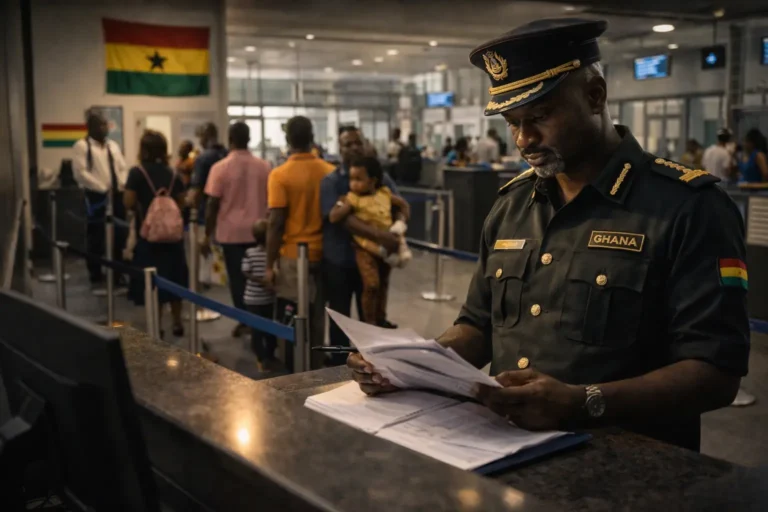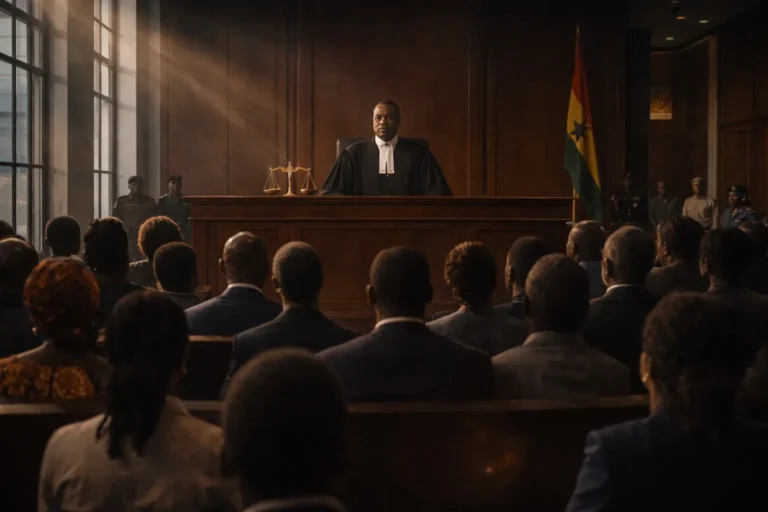

ROPAA Implementation in Ghana has remained stalled for nearly two decades. The Representation of the Peoples Amendment Act (Act 699) was passed in 2006, yet its enforcement has never been completed. This failure continues to deny diaspora citizens their constitutional right to vote.
In 2005, diaspora remittances to the Ghanaian government totaled $4.29 billion USD. Twenty years later, estimates suggest that number has nearly doubled. I was a challenging voice in the lawsuit to implement ROPAA before the High Court of Accra. In a ruling in favor of its implementation, the court relied on Article 42 of the 1992 Constitution, which states that “every citizen of Ghana of eighteen years of age or above and of sound mind has the right to vote and is entitled to be registered as a voter for the purposes of public elections and referenda.”
Since 2006, Ghana has been led by five presidential administrations, with John Dramani Mahama serving twice. Throughout these two decades, the Electoral Commission (EC) has failed to implement ROPAA. Instead of ensuring that balloting is fair and non-partisan, the EC has become an extended arm of multiple corrupt central government administrations. For over twenty years, the EC has ignored High Court orders and failed to establish a process by which the voice of the diaspora can be heard.
The Ghana Revenue Authority did not have to be taken to the High Court to collect the taxes mandated by the 1992 Constitution. Yet the EC—after being ordered by numerous courts, including the High Court of Accra—has “hit the ignore button” year after year at the behest of each administration in power.
The EC is all too willing to look the other way when foreign money pours into Ghana and into the coffers of candidates at election time. They accept that these foreign entities can influence the fate of the nation. However, when it comes to the tax-paying diaspora whose voices should rightfully be heard, the EC bows to the corruption of the administrations they serve rather than the people they should represent.
When I am called to serve, it will be a top priority to implement ROPAA within one year. I will demand that all processes be tested and certified so that every Ghanaian in the diaspora can register and cast their vote. As part of a constitutional overhaul, the EC will become an arm of the Ministry of Justice, with oversight performed by separate investigative commissions from the Bureau of National Investigations, the Economic and Organized Crime Office, the Ghana Police Service, and the Ghana Revenue Authority.
These separate investigative commissions will hold subpoena and indictment powers to strictly enforce voter registration as well as the collection, counting, certification, and safekeeping of all ballots. Furthermore, these commissions will independently scrutinize the campaign finances of all candidates to ensure compliance with the laws of the new constitution. The corruption that destroys Ghana’s democracy begins at the ballot box. I will end ballot box corruption with concise, strict campaign laws and enforcement. I will ensure that the vote of every Ghanaian is cast and counted, including our citizens abroad, and that the EC serves the citizens according to the law